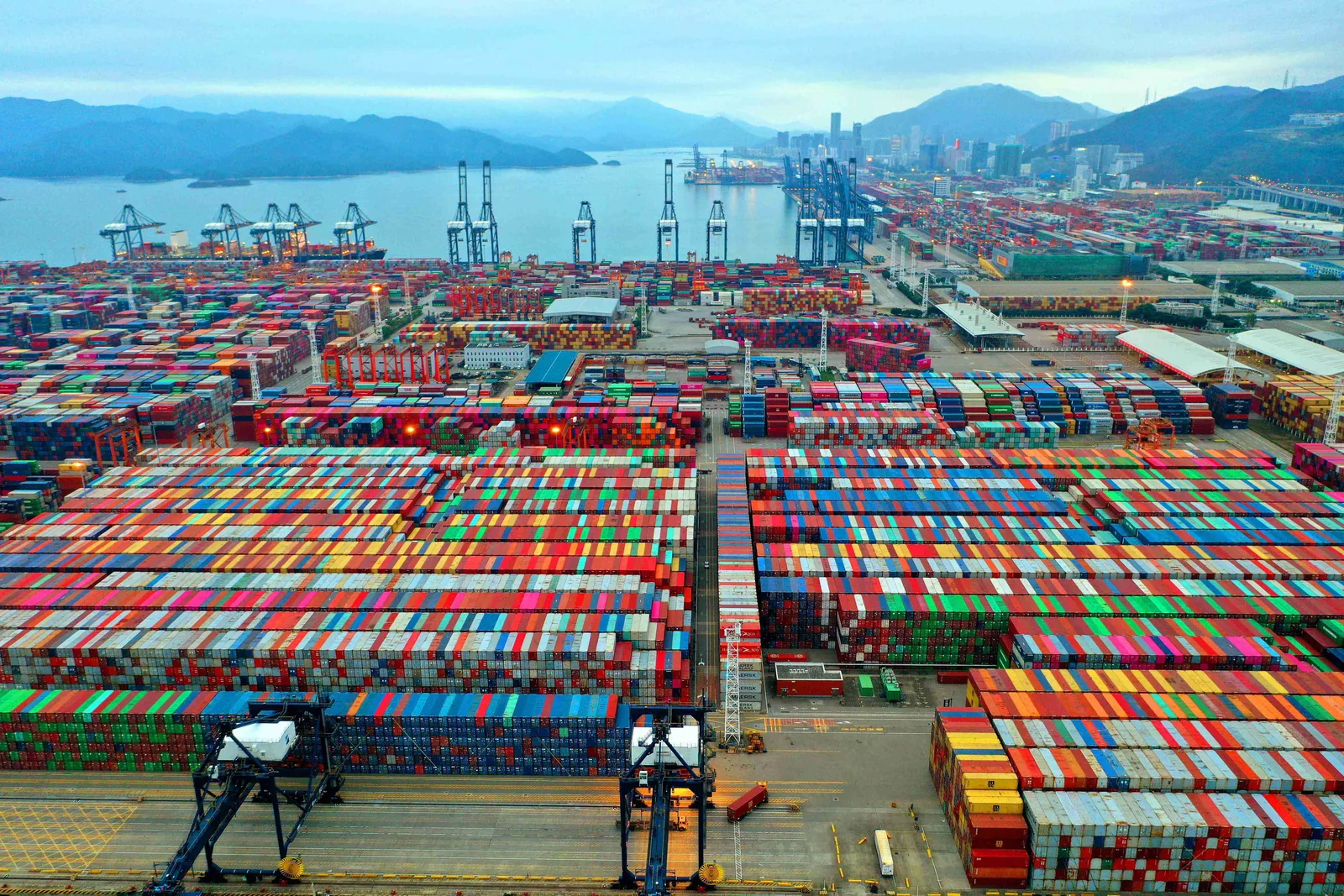
Guangdong to Los Angeles is the most mature lane in China to USA ocean freight: dense schedules, plenty of direct sailings, and a 14 to 18 day ocean leg. Mature does not mean simple. The same 40HQ costs and transits differently depending on whether it leaves from Dongguan or Foshan, and whether it books Yantian or Nansha.
Three variables drive the difference: load port, sailing choice and rate structure. Here is each one, followed by a quoting checklist you can send straight to a forwarder.
1. Load port: four options
| Port | Suits | Characteristics |
|---|---|---|
| Yantian (Shenzhen) | Eastern Pearl River Delta, Dongguan | The workhorse US lane port, most direct sailings |
| Shekou | Western Shenzhen, Zhongshan, Zhuhai | US services available, shorter trucking |
| Nansha (Guangzhou) | Foshan, Zhongshan, Panyu, Shunde | Good barge and truck access, slightly fewer sailings |
| Humen | Dongguan | Feeder role, river barge to Nansha or Yantian |
Yantian is the busiest departure point for US West Coast services and where most Dongguan and eastern Delta cargo loads.
Shekou carries US services too and works well for western Shenzhen, Zhongshan and Zhuhai, where trucking distance is shorter.
Nansha suits factories in Foshan, Zhongshan, Panyu and Shunde, with easy barge and truck access at slightly lower sailing frequency.
Humen is a feeder port. Dongguan cargo can move by river barge to Nansha or Yantian, or truck directly to the terminal.
Only two criteria decide the port: trucking cost and schedule fit. Pick whichever combination makes the delivery date at the lowest total cost. Chasing the geographically nearest port is not the answer.
2. Sailing choice: direct versus transhipment
Direct sailings from Guangdong to Los Angeles run 14 to 18 days on the water, which lands at roughly 30 to 35 days door to door once handling at both ends is added.
Transhipment services are usually cheaper, but they add an extra connection and can arrive seven to ten days later. For cargo on a delivery deadline, that saving rarely pays.
Peak season from August to October tightens schedules, and carriers may shift or merge voyages. When booking, ask two things: is this a direct or transhipment service, and which week does it arrive. That matters more than the headline rate.
3. Where the rate actually goes
| Cost block | Contains | Weight in the total |
|---|---|---|
| Ocean freight | The water leg | Roughly half of door-to-door cost |
| Origin charges | Trucking, export declaration, terminal, THC | Similar across the Delta; trucking distance dominates |
| US charges | Destination fees, duty, final delivery | A large share, and the block most often hidden in cheap quotes |
Ocean freight is the visible number, and it typically accounts for about half of the all-in door cost.
Origin charges cover trucking, export declaration, terminal handling and THC. They vary little across the Pearl River Delta, but trucking distance moves them.
The US side covers destination fees, the duty and US customs clearance work, and final delivery. This block is substantial, and it is exactly what a low headline rate tends to omit.
So the question "who is cheapest from Guangdong to Los Angeles" has no single answer. Two quotes at USD 3,000 can be entirely different products depending on whether duty and delivery are inside the number.
4. What a useful quote request looks like
Six items produce an accurate rate:
- Container type (20GP, 40HQ, OT or FR)
- Commodity, volume and weight
- Factory address
- Los Angeles delivery address or ZIP code
- Target shipping date
- Terms (DDP, DAP or FOB)
"40HQ to Los Angeles" only earns a range. Add the address and the cargo detail and it becomes a door price.
One more note: Los Angeles delivery addresses spread widely across downtown, Long Beach, Ontario and the surrounding warehouse clusters, and the trucking cost difference is significant. A ZIP code is the single most useful line in a quote request.
5. FAQ
How long door to door? About 30 to 35 days from loading, of which 14 to 18 days is ocean transit. The rest is trucking, export declaration, clearance and delivery.
Should Foshan or Zhongshan cargo use Nansha or Yantian? Nansha is closer by truck; Yantian has more sailings. Decide on which schedule makes the week, since the cost difference is usually within a few hundred dollars.
How much fits in one container? A 40HQ offers 65 to 68 CBM of usable space, and actual fill depends on the product. Use a 20GP to control weight on dense cargo, a 40HQ to control volume on light cargo.
How early should I book in peak season? Three to four weeks ahead. August to October is the US peak, when last-minute space is expensive and thin.
What is the process? Confirm the plan and rate, sign the service agreement, then booking, container release, loading and export declaration. After sailing we track the arrival, clear customs, deliver to the door and close the file on signed receipt.
6. About us
Harmony Shipping Services Limited (HSS) is a Dongguan-based FCL shipping from China to USA forwarder holding NVOCC registration MOC-NV03089.
We cover the Guangdong to Los Angeles lane from Yantian, Shekou and Nansha, with container DDP to the door and every charge itemised. For duty-included pricing see DDP shipping.
Send the container type, cargo details and delivery ZIP code and we will return a current Los Angeles rate.
- Phone / WhatsApp: +86 139 2684 9275
- Email: alan@hssddp.com
- Address: Room 9A-5002-5003, Huanyu Huijin Center, Nancheng, Dongguan, Guangdong, China
- Website: https://www.hssddp.com/en/