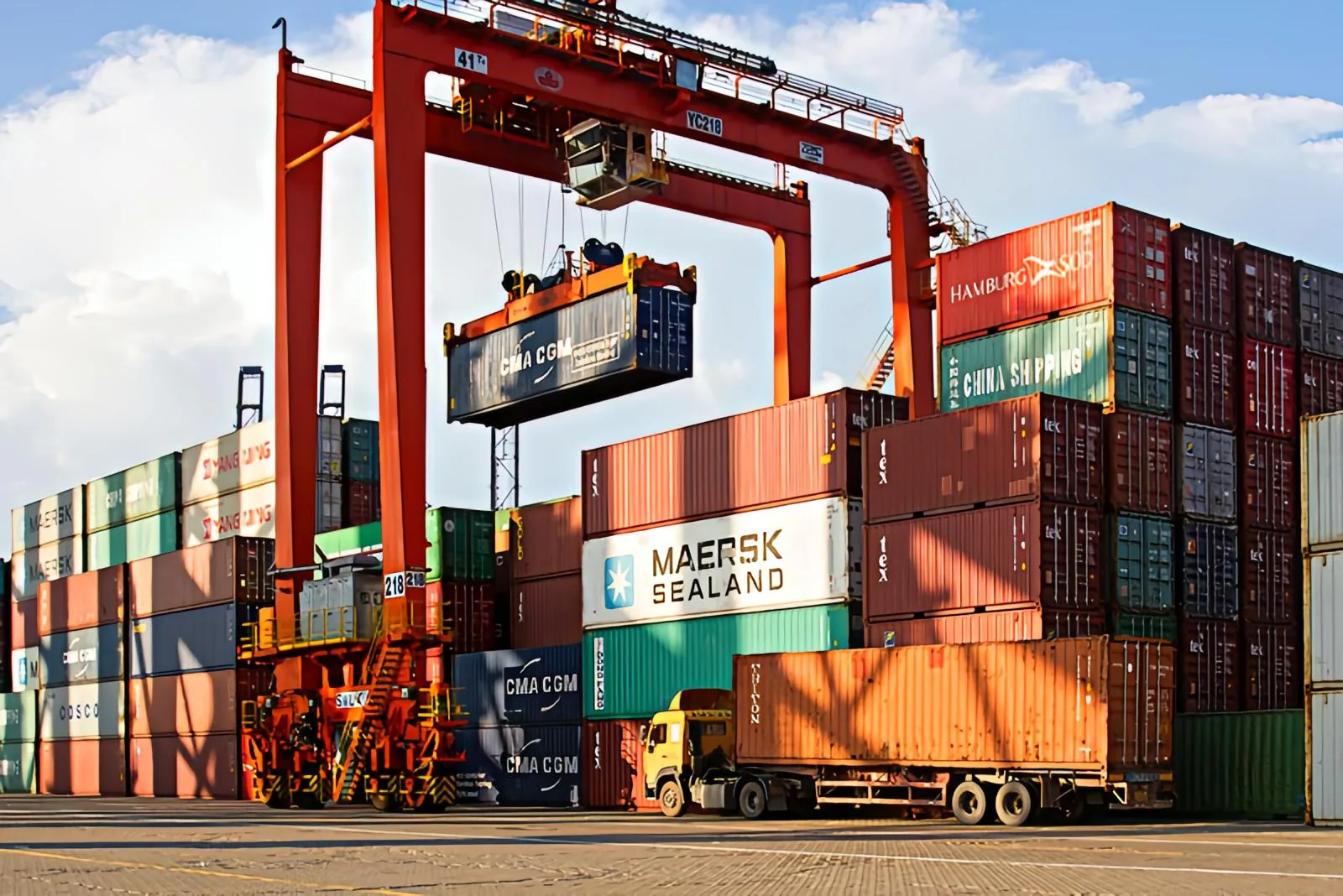
If your supplier is in the Pearl River Delta and your cargo moves to the US by full container, the sailing will almost certainly leave from Yantian or Shekou, the two Shenzhen, China terminals where US services are densest. The real problem is not which port is closer. It is that port choice, container type, cut-off date and HTS classification must all be settled before the container is loaded — and getting any one wrong reappears later as a cost you cannot argue away.
1 Why Yantian and Shekou Dominate US-Bound FCL
Shenzhen, China's advantage is not geography but carrier capacity: Yantian runs heavy direct services to both US West and East Coast ports, while Shekou is strongest on the US West Coast with flexible feeders.
| Factor | Yantian | Shekou |
|---|---|---|
| Location | Eastern Shenzhen, China | Western Shenzhen, China |
| US services | Dense USWC + USEC, large vessels | Strong USWC, flexible feeders |
| Best factory base | Eastern Dongguan, Huizhou, China, eastern Guangdong | Western Dongguan, Guangzhou, Foshan, Zhongshan, China |
| Truck time from central Dongguan, China | About 1–2 hours | About 1–1.5 hours |
First filter: where the factory sits. East of the Pearl River favours Yantian, west favours Shekou. Second filter: the carrier's rotation. A routing that adds three transit days to save a little drayage is a bad trade. Do not choose on trucking cost alone — cut-off reliability, sailing frequency and direct versus transshipped service move total transit time more than the drayage gap does.
2 Choosing 20GP, 40GP or 40HQ
| Container | Usable volume (reference) | Fits best |
|---|---|---|
| 20GP | About 28–33 CBM | Smaller loads, dense cargo |
| 40GP | About 58–67 CBM | Large volume, height not critical |
| 40HQ | About 68–76 CBM | Light, bulky cargo |
Check weight first, then volume. Dense freight hits the weight limit before it runs out of space, so a load near 20 tonnes is a 20GP shipment whatever its cubic metres. Light, bulky cargo belongs in a 40HQ, which gains roughly 30 cm of internal height over a 40GP. Over-dimensional machinery or vehicles need open-top or flat-rack equipment, and carrier acceptance must be confirmed before booking. Comparing cost per cubic metre rather than per container often changes the answer.
3 From Booking to Door
| Step | What happens | Where it breaks |
|---|---|---|
| 1. Quote and booking | Product, cartons, weights, CBM, origin, destination port | Incomplete data means re-quotes |
| 2. Space and rate lock | Forwarder books with the carrier, issues the SO | Peak-season space goes early |
| 3. Factory loading | Empty dropped, loaded, lashed, returned | Weak lashing damages cargo |
| 4. Export declaration | Declaration, manifest, AMS data check | Document mismatch halts filing |
| 5. Gate-in | Loaded container returned before cut-off | Missed cut-off means rolled cargo |
| 6. Ocean transit | Direct or transshipped sailing | Transshipment congestion |
| 7. US customs entry | ISF filing, duty payment, CBP release | Wrong HTS code, exam hold |
| 8. Final delivery | Truck or rail to the consignee | Remote inland points cost more |
Three steps decide the outcome: document pre-check, the cut-off and the HTS classification. Handle them before the container leaves the factory and most downstream problems never appear, while cargo that cannot wait for a sailing is usually compared against air freight instead.
4 Documents on Both Sides
The export set is non-negotiable: commercial invoice (product, quantity, value, Incoterm), packing list (cartons, weights, CBM, marks) and the customs declaration filed against the actual product name and HS code.
| US-side document | When it is needed |
|---|---|
| ISF (10+2) filing | Before vessel departure; late filing carries penalty exposure |
| Bill of lading | Release document at destination |
| FDA / FCC / CPSC / DOT compliance | Food contact, cosmetics, lighting, electronics, children's goods, vehicle parts |
| Certificate of origin | Where duty treatment depends on origin |
⚠️ Document review only helps before the vessel sails. Certification rules, duty rates and local requirements change, so confirm the current position with your licensed customs broker and treat official regulations in force at the time of shipment as controlling.
5 What an All-In Rate Contains
| Cost item | Notes |
|---|---|
| Origin drayage | Factory to load port |
| Export declaration | Declaration, manifest, AMS |
| Ocean freight | Load port to US discharge port |
| US customs clearance | Including ISF filing |
| Duty and taxes | Duty by HTS code, plus MPF and HMF |
| Final-mile delivery | Truck or rail to the door |
| Exam and detention | Billed at cost, only if incurred |
Compare totals, not ocean freight alone. A low headline ocean rate is often recovered through destination surcharges, so list drayage, export costs, customs clearance, duty and delivery together. Duty depends on HTS classification and country of origin, and additional tariffs may apply to Chinese-origin goods — your broker confirms the applicable rate before shipment.
6 Four Mistakes That Cost Money
1. Shopping on ocean freight alone. US-route quotes diverge mainly at destination; compare the delivered total.
2. Booking too close to cut-off. Terminal congestion and truck queues eat buffer. Leave 2–3 days of slack ahead of your planned ship date.
3. Guessing the HTS code. A few digits can change the duty rate and pull goods into a different additional-tariff list. Review classification before shipment.
4. Declaring a lower value. That is a false declaration. Back duty, penalties and elevated future scrutiny cost far more than the duty saved.
7 When DDP Door-to-Door Fits
| Choose DDP when | Handle it yourself when |
|---|---|
| First US import, clearance rules unfamiliar | You already have a US broker and bond |
| You want one rate ending at the door | Your buyer controls entry and duties |
| You need container plus delivery as one service | You ship FOB and the buyer nominates the forwarder |
The core value of DDP shipping is predictability: China export declaration, US customs clearance, duty payment and delivery bundled into one rate, with nothing payable by the consignee on arrival. For light, bulky cargo or inland destinations, compare air freight and check the delivery footprint before booking.
Frequently Asked Questions
Q: What is the real difference between Yantian and Shekou? A: Both are Shenzhen, China port area terminals with dense US services. The decision comes down to factory location, the carrier's rotation and the destination port — confirm against the schedule in force at the time of booking.
Q: How long does Shenzhen, China to the USA take? A: Ocean transit to the US West Coast is typically around two weeks; all-water to the East Coast typically around a month. Door-to-door adds clearance and delivery, and schedules shift with carrier changes.
Q: Can Dongguan, China factories load via Yantian or Shekou easily? A: Yes. Central Dongguan, China is roughly 1–2 hours from Yantian and 1–1.5 hours from Shekou, so a container can often be dropped, loaded and returned the same day while the export declaration runs in parallel.
Q: Can I ship batteries or cosmetics in FCL? A: It depends on the product. Battery-powered goods generally require a UN38.3 report and MSDS, declared to the carrier's own requirements; cosmetics and liquids are partly acceptable, partly restricted. Check before booking, not after.
Q: When should I book for peak season? A: US peak season usually runs July to October, with a second surge before Chinese New Year. Booking 2–3 weeks ahead is prudent.
Q: What does the door-to-door price include? A: Origin drayage, export declaration, ocean freight, US clearance and ISF, duty and taxes, and final-mile delivery. Exam and detention are billed at cost only if incurred.
Q: How do I track the container? A: You receive the bill of lading and container numbers covering departure, arrival, clearance and delivery. Exceptions are flagged to you rather than left for you to find.
Get a Port Recommendation and a Door-Delivered Rate
Harmony Shipping Services Limited works the Yantian and Shekou US routes daily, with a Dongguan, China-based team carrying 15+ years of US trade lane experience, a US entity with its own bond, a licensed customs broker, and in-house trucking plus rail delivery. Send the product name, cartons, weights, CBM, origin and destination address and we will return a port recommendation, a container plan and an all-in rate to the door. Email alan@hssddp.com.